




IDS Research Seed Funds 2025: Awarded Projects
We are pleased to announce the results of the IDS Research Seed Funds 2025 (IDS-RSF 2025). After assessment by the HKU IDS Steering Committee members, four interdisciplinary research projects have been awarded.
The objective of the IDS Research Seed Funds is to encourage interdisciplinary research collaboration between IDS scholars and faculty members from other Faculties. Through early-stage funding support, the scheme aims to strengthen research synergy, support promising ideas, and help interdisciplinary projects develop towards larger collaborative grants.
Congratulations to all awardees.
List of Awarded Research Projects for IDS-RSF 2025
In alphabetical order of the PI’s surname.
Towards Autonomous Scientific Research with LLM Agents
Research Theme(s): AI for ScienceLarge Language ModelsAI Agents

Prof Chao HUANG
Principal Investigator
Assistant Professor, HKU IDS & SCDS

Prof Jionghao LIN
Co-Principal Investigator
Assistant Professor, Faculty of Education, HKU
Award Amount: HK$375,000
Project Abstract:
Scientific research remains one of the most complex forms of human intellectual work. It requires domain knowledge, hypothesis formation, experimental design, data analysis, result validation, and academic writing. While large language models have shown strong capabilities in supporting individual research tasks, current systems still face limitations in conducting research as a coherent, long-term, and tool-integrated process.
This project aims to develop an LLM-based agent architecture that can support and partially automate scientific research workflows. It focuses on several key challenges: generalising across specialised research domains, coordinating multi-step and multi-tool workflows, maintaining consistency across long research processes, and evaluating the validity and usefulness of AI-generated research outputs.
By studying how AI agents can assist scientific discovery in a more systematic and trustworthy way, the project responds to a major research frontier in AI for science. It also lays the groundwork for future systems that may help researchers reduce manual effort, accelerate experimentation, and explore new forms of human-AI collaboration in research.
Co-Investigators include:
- Dr Celine Chui, Assistant Professor, School of Nursing & School of Public Health
- Dr Eric Wan, Assistant Professor, Department of Family Medicine and Primary Care & Department of Pharmacology and Pharmacy
- Dr Gary Lau, Clinical Associate Professor, Department of Medicine, School of Clinical Medicine
- Prof Reynold Cheng, Associate Director, HKU IDS; Professor, Department of Computer Science
Investigating and Mitigating Security Risks in LLM Agents and Multi-Agent Systems
Research Theme(s): CybersecurityTrustworthy AIAI Agents

Prof Ho CHEN
Principal Investigator
Deputy Director, HKU IDS
Professor, Chair of Cybersecurity, HKU SCDS
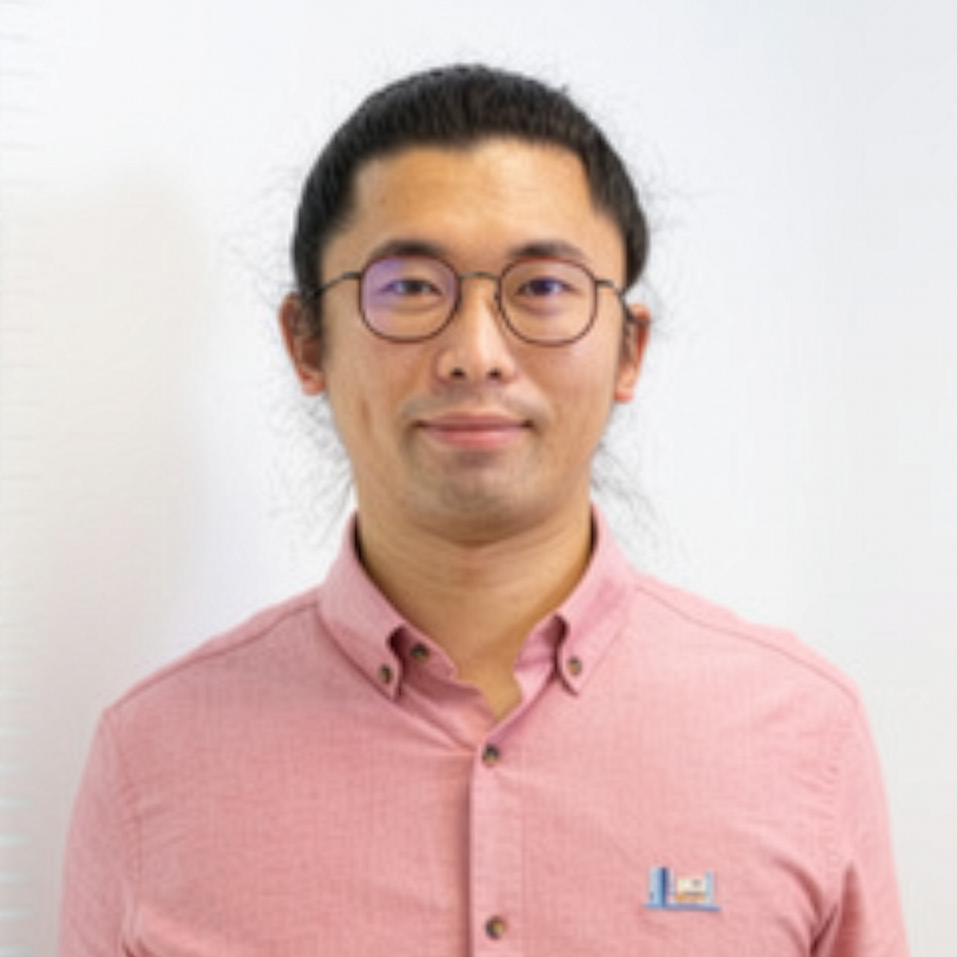
Prof Chenxiong QIAN
Co-Principal Investigator
Assistant Professor, HKU SCDS
Award Amount: HK$375,000
Project Abstract:
As large language model agents and multi-agent systems become increasingly connected with external tools, software environments, and modular platforms, security risks are no longer limited to the behaviour of a single model. Threats may emerge through interaction, delegation, tool use, and cascading failures across agent ecosystems.
This project aims to develop new methods for investigating and mitigating security risks in LLM agents and multi-agent systems. It will examine how risks propagate across agent workflows and how more robust protection mechanisms can be designed for emerging AI systems.
By addressing the security of AI agents at both the single-agent and multi-agent levels, the project contributes to the development of trustworthy AI infrastructure. It also provides a foundation for future research on secure, reliable, and responsible deployment of agent-based AI systems.
Embodied AI, Robotics, World Models, Machine Learning
Research Theme(s): Foundation of Data ScienceApplication of Data ScienceMachine Learning

Prof Hongyang LI
Principal Investigator
Assistant Professor, HKU IDS
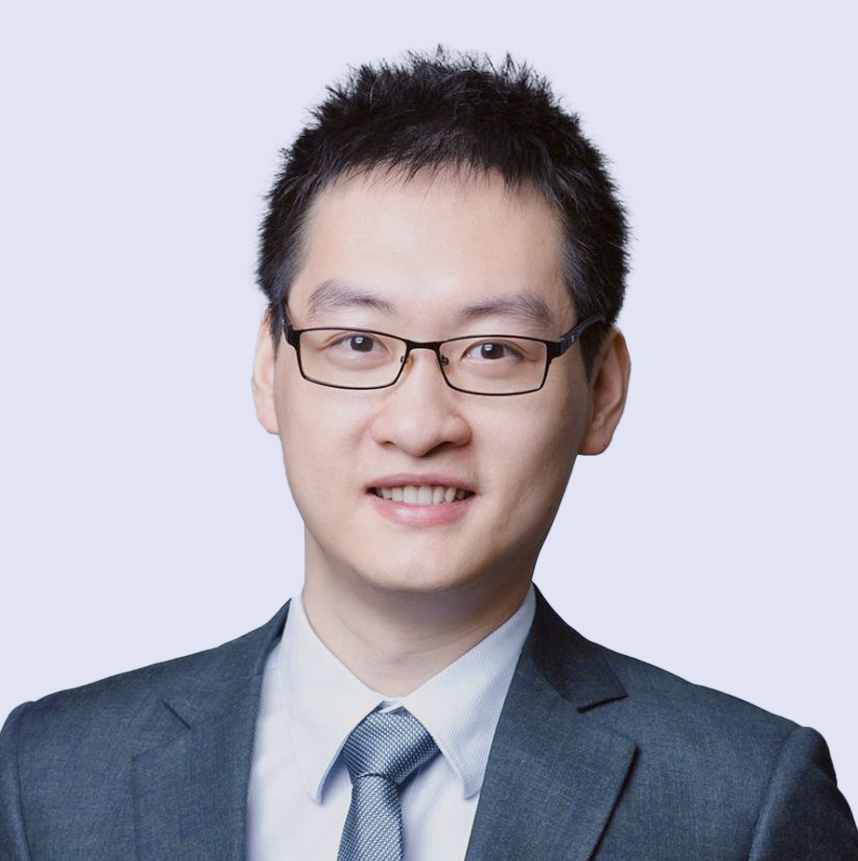
Prof Ping LUO
Co-Principal Investigator
Associate Professor (by courtesy), HKU IDS
Associate Professor, HKU SCDS
Associate Professor, HKU SCDS
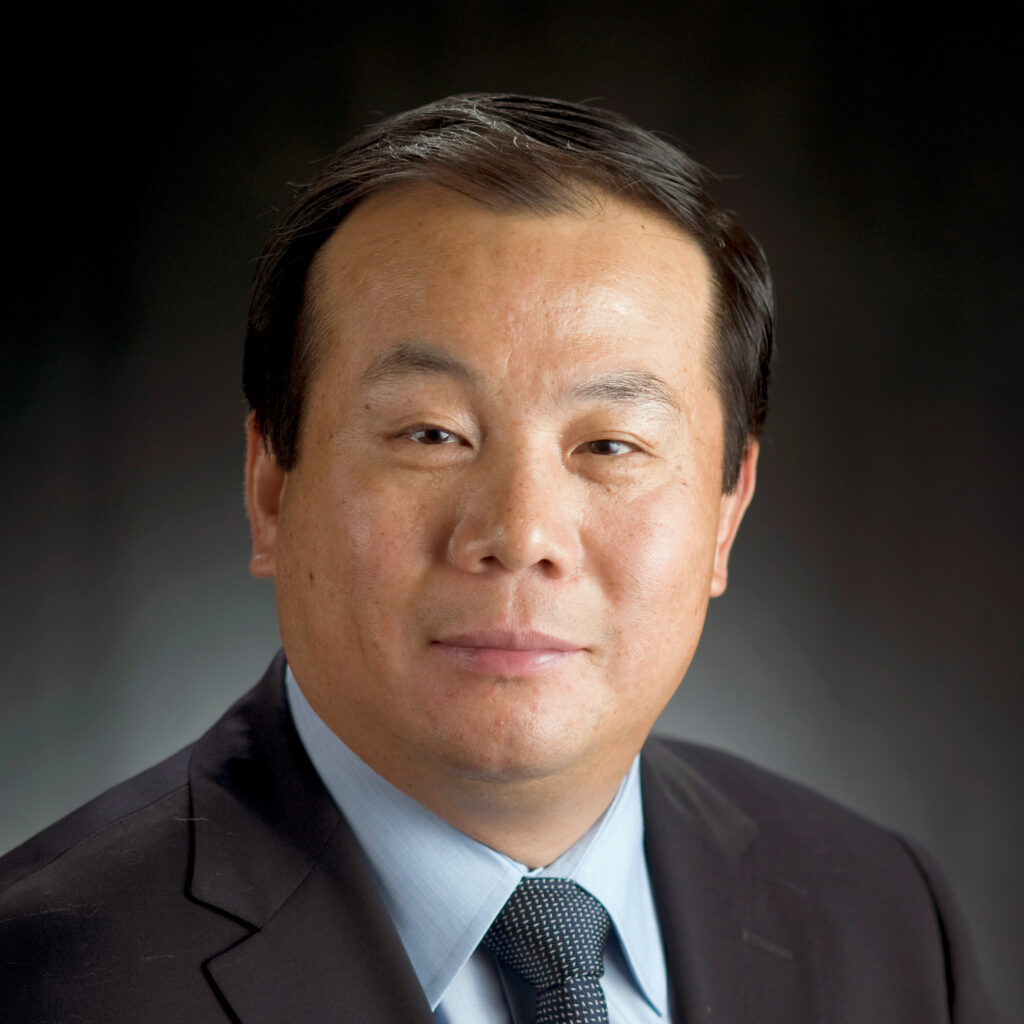
Prof Ning XI
Co-Principal Investigator
Chair Professor of Robotics and Automation, HKU DASE Director, HKU ATI
Award Amount: HK$375,000
Project Abstract:
Embodied AI systems require more than visual perception alone. To operate in physical environments, intelligent systems need to integrate perception, touch, action, and adaptive decision-making. This project explores how richer forms of sensing and world modelling can support more capable robotic systems.
The project will support research on visual-tactile sensing, robotic hardware deployment, algorithmic development, data collection, and experimental validation. It aims to strengthen the technical foundations for embodied AI systems that can learn from interaction with the physical world and adapt to complex environments.
Through its focus on robotics, multimodal sensing, and world models, the project contributes to IDS’ broader research direction in autonomous intelligent systems and embodied intelligence. It also has the potential to support future larger-scale research in robotics, AI systems, and real-world machine learning applications.
AI-enabled Robotics for Archaeological Discovery and Cultural Heritage Research
Research Theme(s): AI for Interdisciplinary ResearchComputer VisionCultural Heritage
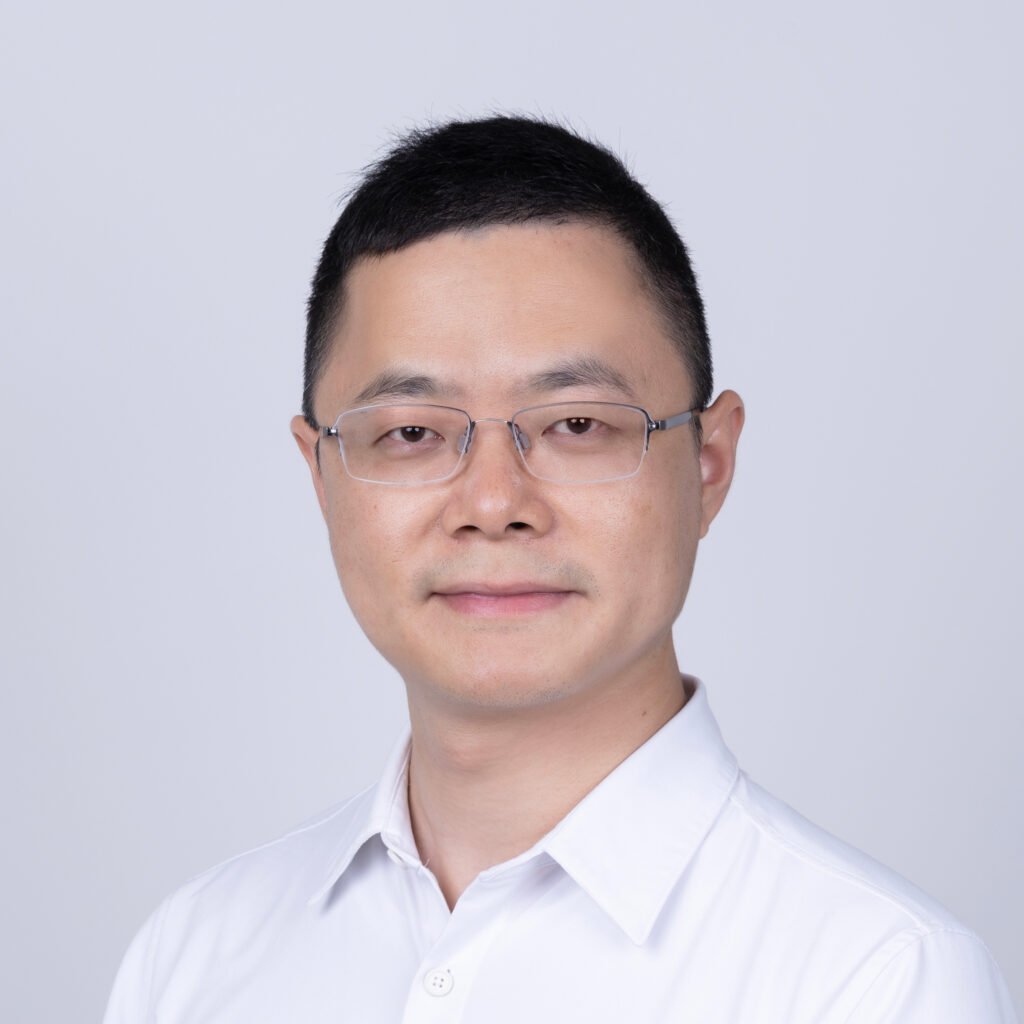
Prof Yanchao YANG
Principal Investigator
Assistant Professor, HKU IDS & SCDS

Prof Peter COBB
Co-Principal Investigator
Deputy Director & Associate Professor, School of Humanities, HKU
Award Amount: HK$375,000
Project Abstract:
Archaeological research often involves the careful collection, imaging, reconstruction, and interpretation of physical artefacts. These processes are labour-intensive and require close collaboration between domain experts and technical researchers. This project explores how AI, robotics, and data science methods can support archaeological studies through more efficient documentation and analysis.
The project will investigate the use of AI-enabled robotic systems for imaging, weighing, and 3D scanning of pottery fragments and other archaeological objects. It will also support the development of data science methods for analysing 3D pottery models and 2D imagery, in close collaboration with archaeology researchers.
By bringing together robotics, computer vision, data science, and archaeological fieldwork, the project demonstrates how data science can open new possibilities in humanities and cultural heritage research. It also reflects the purpose of IDS-RSF in encouraging exploratory interdisciplinary collaborations with potential for larger future research development.
Closing Note
Through IDS-RSF 2025, HKU IDS continues to support exploratory research that brings data science into dialogue with different disciplines, research communities, and real-world challenges. The Institute looks forward to seeing these projects develop into deeper collaborations and broader research outcomes.