From Static Risk to Real-Time Prediction: AI Blood Test Forecasts Cardiovascular Disease up to 15 Years Ahead

Professor Qingpeng ZHANG
Associate Professor
HKU IDS / Pharmacology and Pharmacy
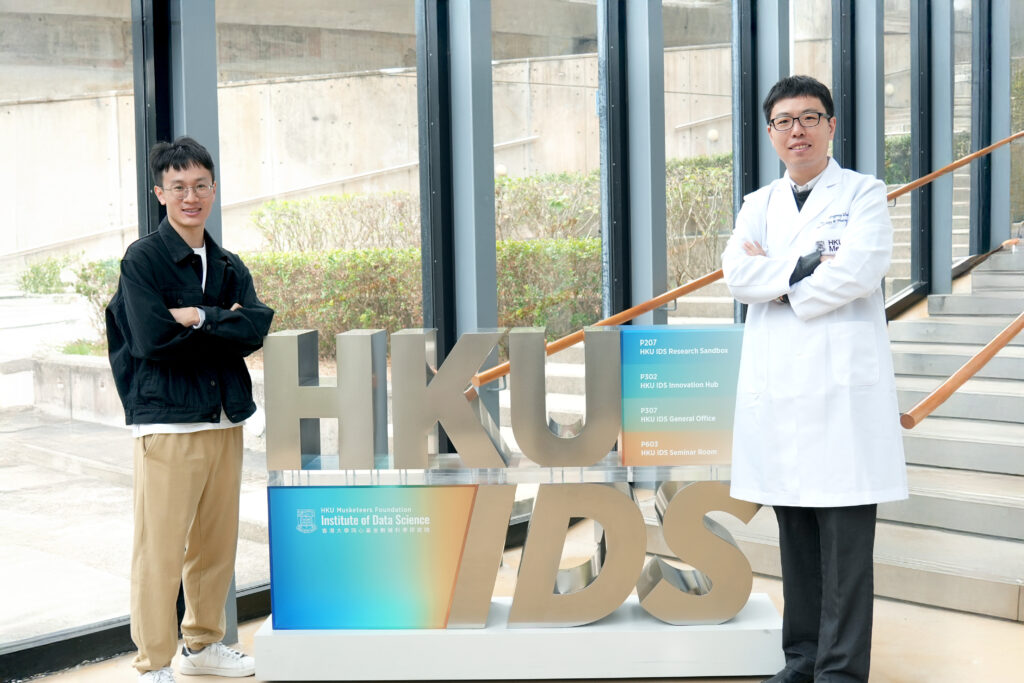
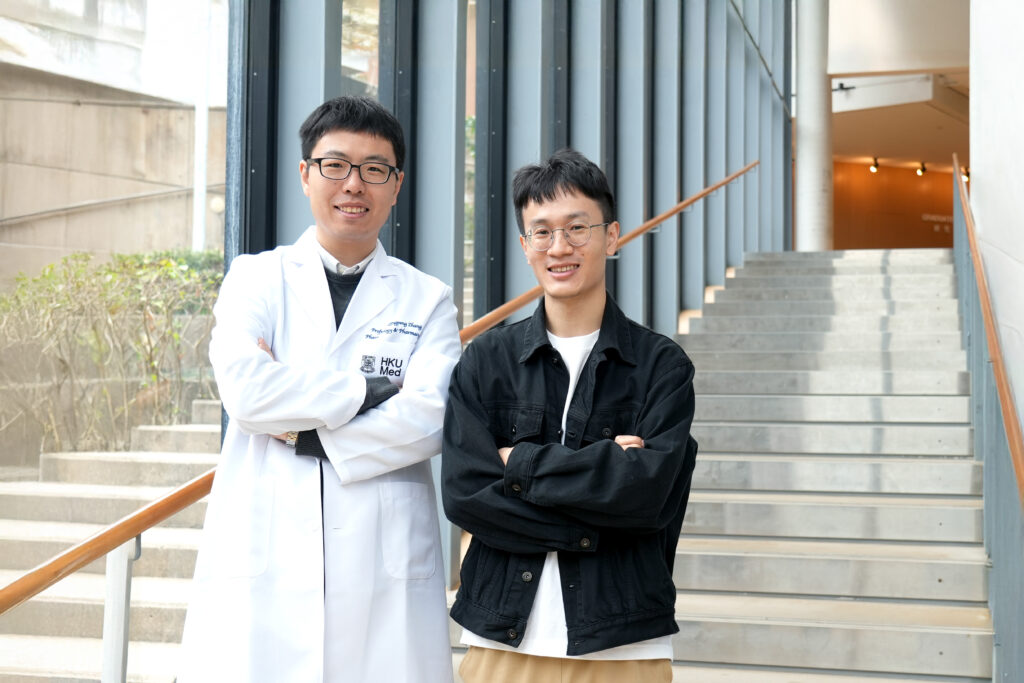
Led by Professor Qingpeng Zhang, Associate Professor jointly affiliated with the HKU Musketeers Foundation Institute of Data Science (IDS) and the LKS Faculty of Medicine, a research team has developed an AI-powered cardiovascular risk prediction tool, CardiOmicScore, capable of forecasting major heart diseases up to 15 years before clinical onset. The study has been published in Nature Communications.
Cardiovascular diseases (CVDs) remain the leading cause of mortality globally, yet existing risk assessment methods rely largely on static indicators such as age, blood pressure, and genetic predisposition. These approaches often fail to capture early biological changes or reflect the evolving impact of lifestyle and environmental factors, limiting their effectiveness in preventive care.
To address this gap, the research introduces a multiomics-based approach that shifts risk prediction from a fixed, gene-centric model to a dynamic assessment of real-time health status. By integrating genomics, proteomics, and metabolomics data through deep learning, CardiOmicScore translates complex molecular signals into personalised risk profiles across six major cardiovascular conditions, including coronary artery disease, stroke, and heart failure.
The model was developed using large-scale population data from the UK Biobank, incorporating measurements of thousands of circulating proteins and metabolites derived from blood samples. These molecular markers act as sensitive indicators of physiological changes across immune, metabolic, and vascular systems, enabling earlier and more precise detection of disease risk.
Compared with conventional polygenic risk scores, the AI-driven model demonstrates substantially improved predictive performance. When combined with basic clinical information, it is able to identify elevated risk in high-risk individuals up to 15 years before symptoms emerge, opening a wider window for preventive intervention.
Professor Zhang noted that while genetic information defines baseline risk, proteins and metabolites provide a more immediate reflection of an individual’s health condition. By decoding these signals, the tool enables earlier identification of disease trajectories and supports a transition from reactive treatment to proactive prevention.
This research highlights a broader shift in precision medicine towards continuous, data-driven health monitoring. In the long term, it suggests the potential for routine blood testing to generate comprehensive cardiovascular risk profiles, supporting more timely and personalised healthcare strategies.
For more detailed insights, please read the full paper:
https://www.nature.com/articles/s41467-026-68956-6