


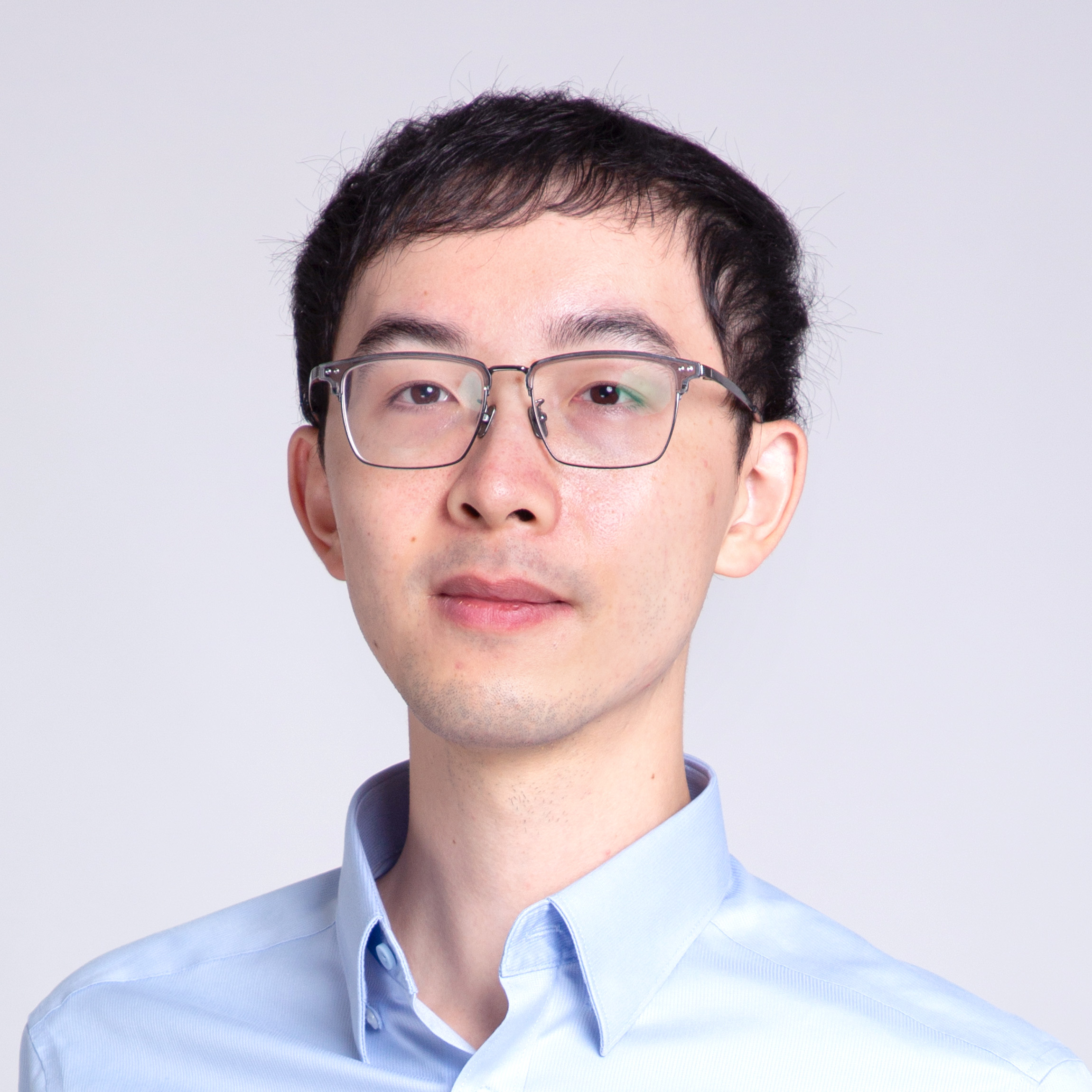
Professor Jinhong DU
Assistant Professor
HKU Musketeers Foundation Institute of Data Science and
Department of Statistics and Actuarial Science, School of Computing and Data Science
Professor Jinhong Du is an HKU-100 Assistant Professor at the University of Hong Kong, beginning in Fall 2025. He holds joint appointments in the HKU Musketeers Foundation Institute of Data Science, and the Department of Statistics and Actuarial Science, School of Computing and Data Science.
His research bridges statistical theory and high-impact applications, focusing on causal inference, interpretable machine learning, high-dimensional statistics, and statistical genomics. Dr. Du’s work has been published in leading venues across multiple disciplines, including premier statistics journals like the Journal of the American Statistical Association and the Journal of the Royal Statistical Society, Series B, top machine learning conferences like NeurIPS and ICML, and prominent scientific journals such as the Proceedings of the National Academy of Sciences.
He earned his Ph.D. in Statistics and Machine Learning from Carnegie Mellon University, an M.S. in Statistics from the University of Chicago, and a B.S. in Statistics from Sun Yat-sen University.