


CPAL 2026: IDS Scholar and Student Perspectives
Focused International Exchange in Parsimonious Learning
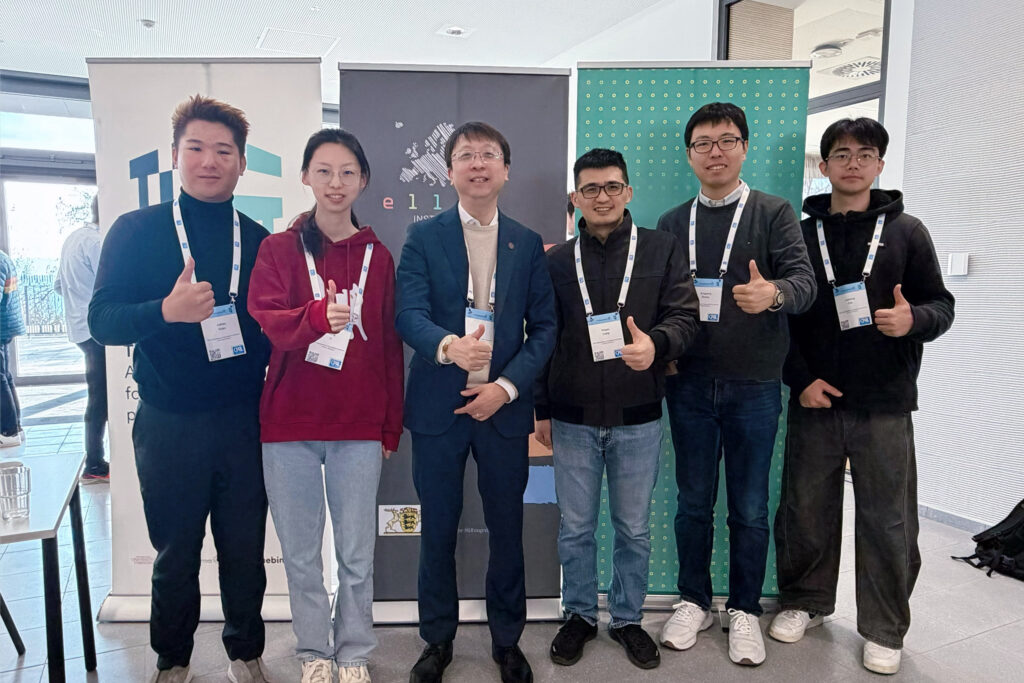
HKU IDS continued its support for the Conference on Parsimony and Learning (CPAL) in 2026, following its earlier role as local host in Hong Kong. Held in Tübingen, Germany with IDS as a sponsor this year, CPAL brought together a focused research community exploring parsimonious, efficient, and theoretically grounded approaches in machine learning, signal processing, optimisation, and beyond.
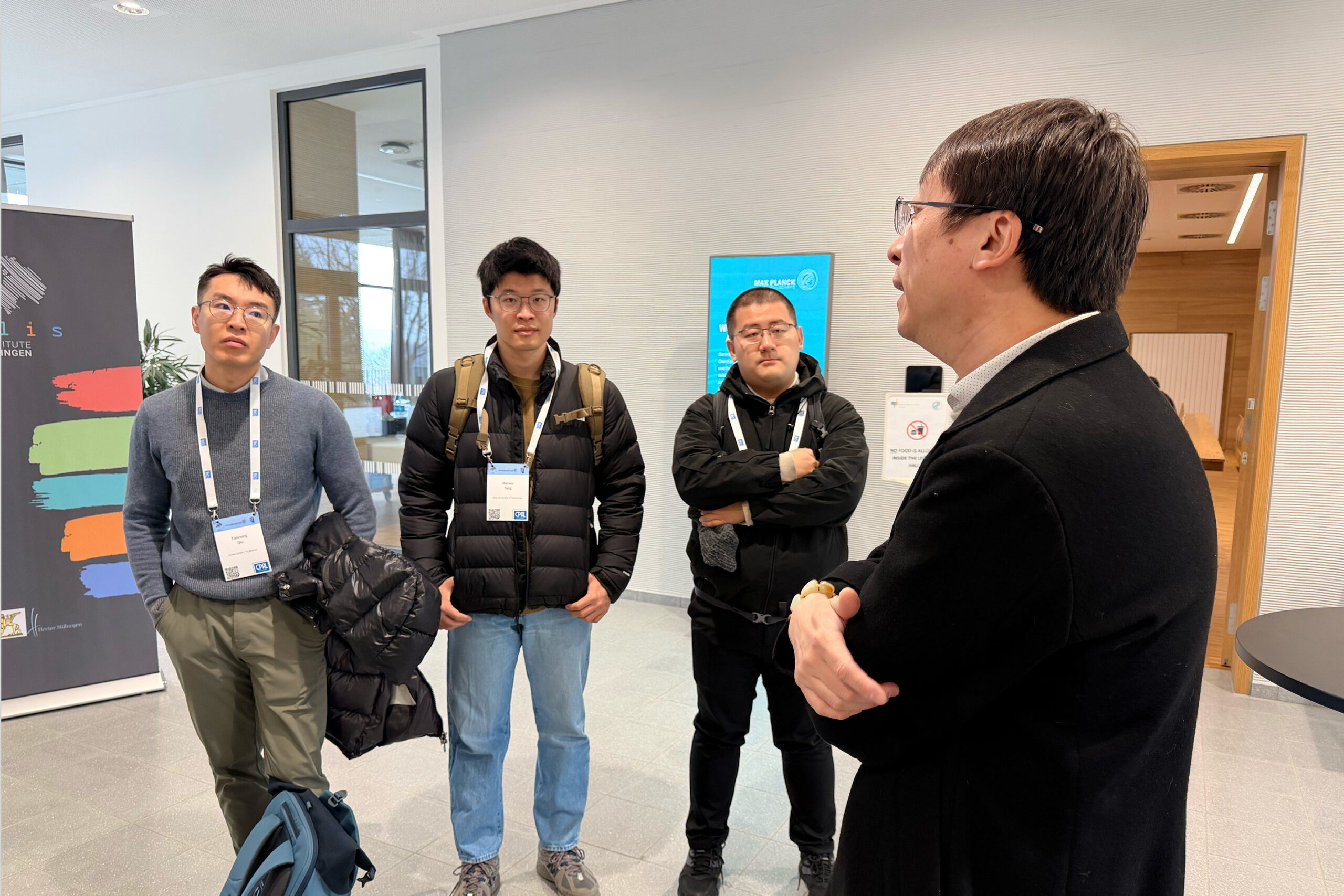
For IDS students, the conference offered an opportunity to experience a smaller and more concentrated form of international academic exchange, where talks, tutorials, poster sessions, and informal discussions remained closely connected throughout the programme.
HKU IDS continued its support for the Conference on Parsimony and Learning (CPAL) in 2026, following its earlier role as local host in Hong Kong. Held in Tübingen, Germany, CPAL brought together a focused international research community exploring parsimonious, efficient, and theoretically grounded approaches in machine learning, signal processing, optimisation, and modern AI.
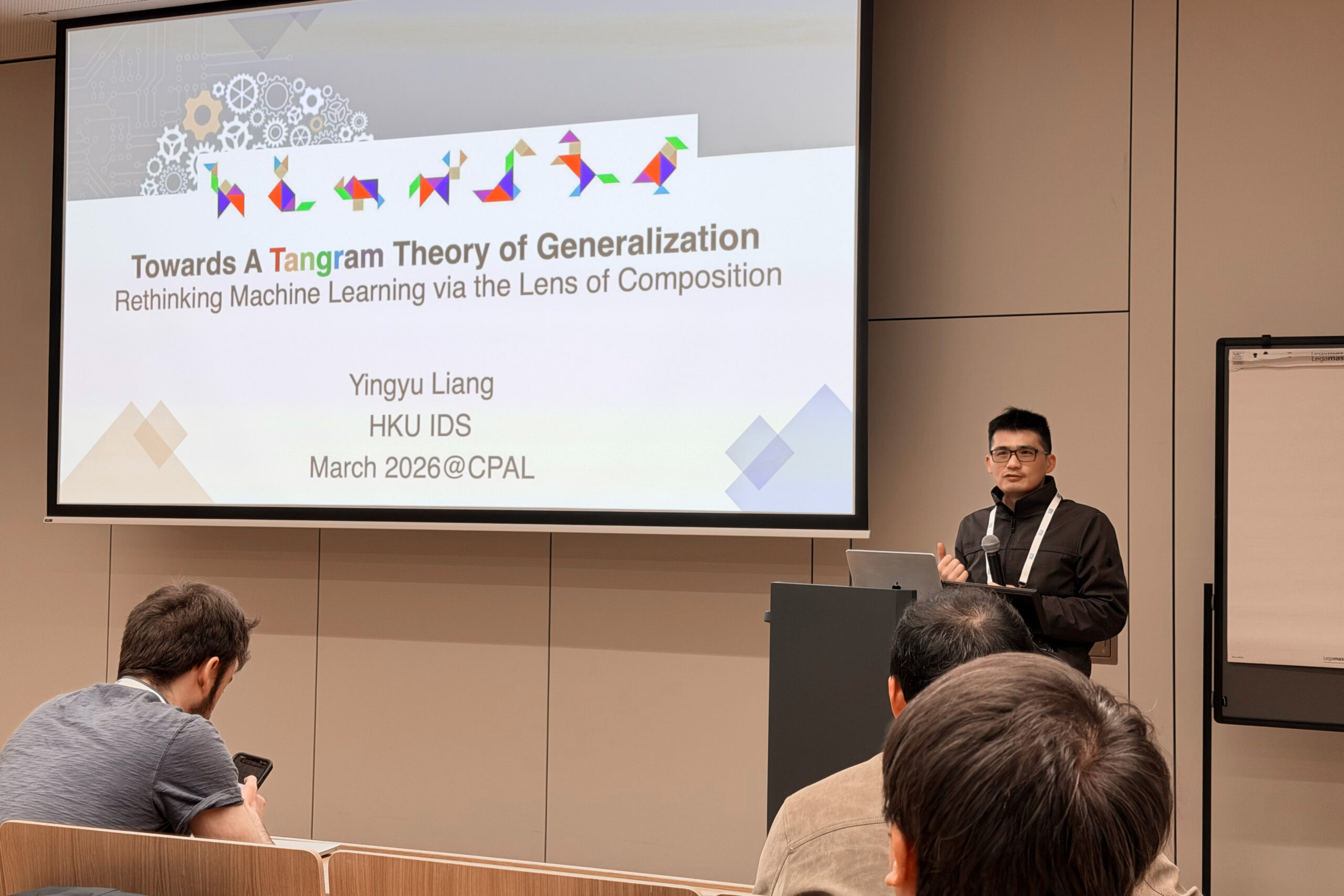
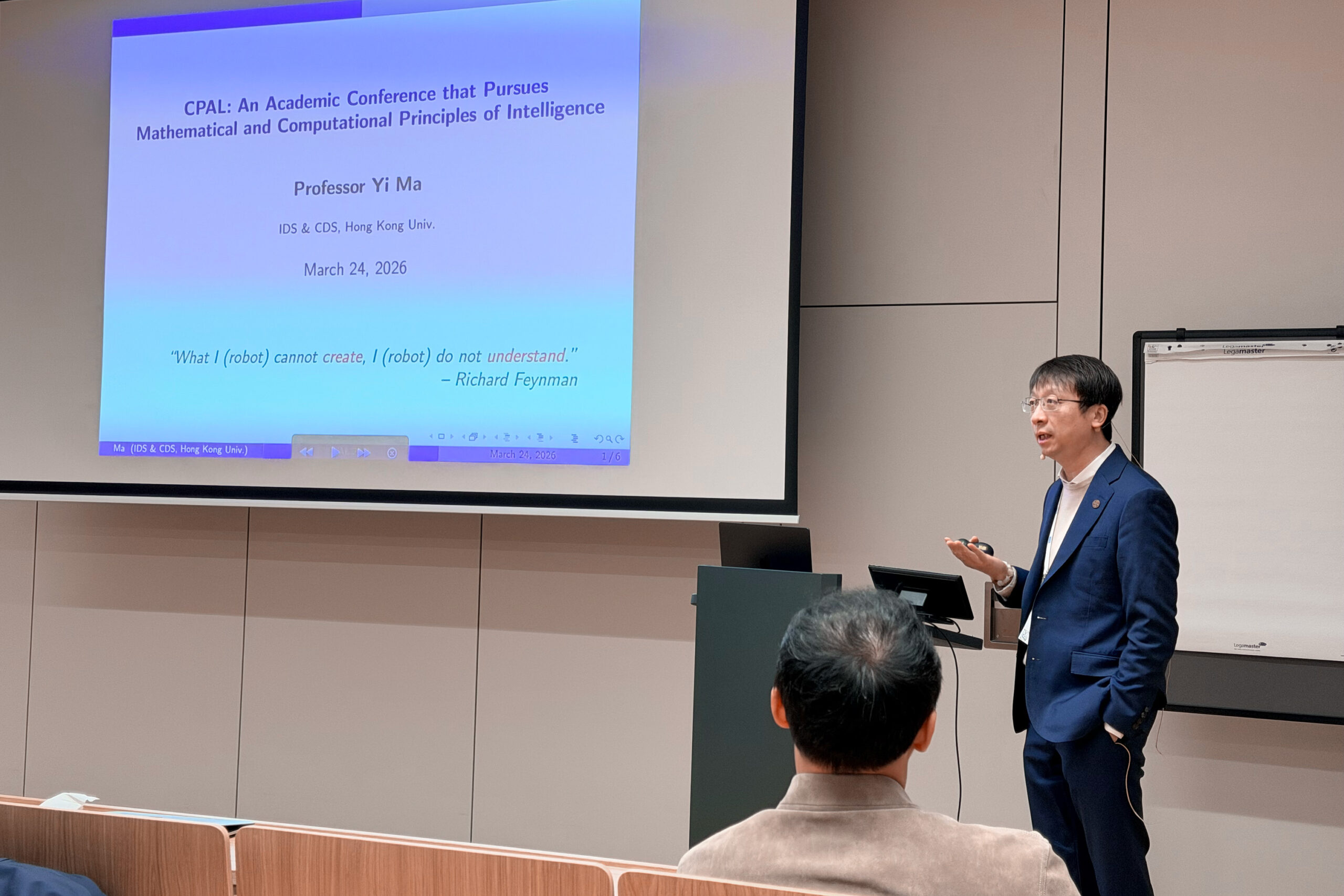
For IDS, CPAL 2026 was not just a platform for scholarly participation and exchange, but also a student exposure opportunity. Prof Yi MA, Director of IDS, served as General Chair of the Organising Committee and a member of the Advisory Committee, while Prof Yingyu LIANG, HKU-100 IDS Scholar, delivered a keynote talk on compositional learning and generalisation. Prof Qingpeng ZHANG, HKU-100 IDS Scholar, was also invited to participate in the conference programme.
A Smaller Forum for Deeper Exchange
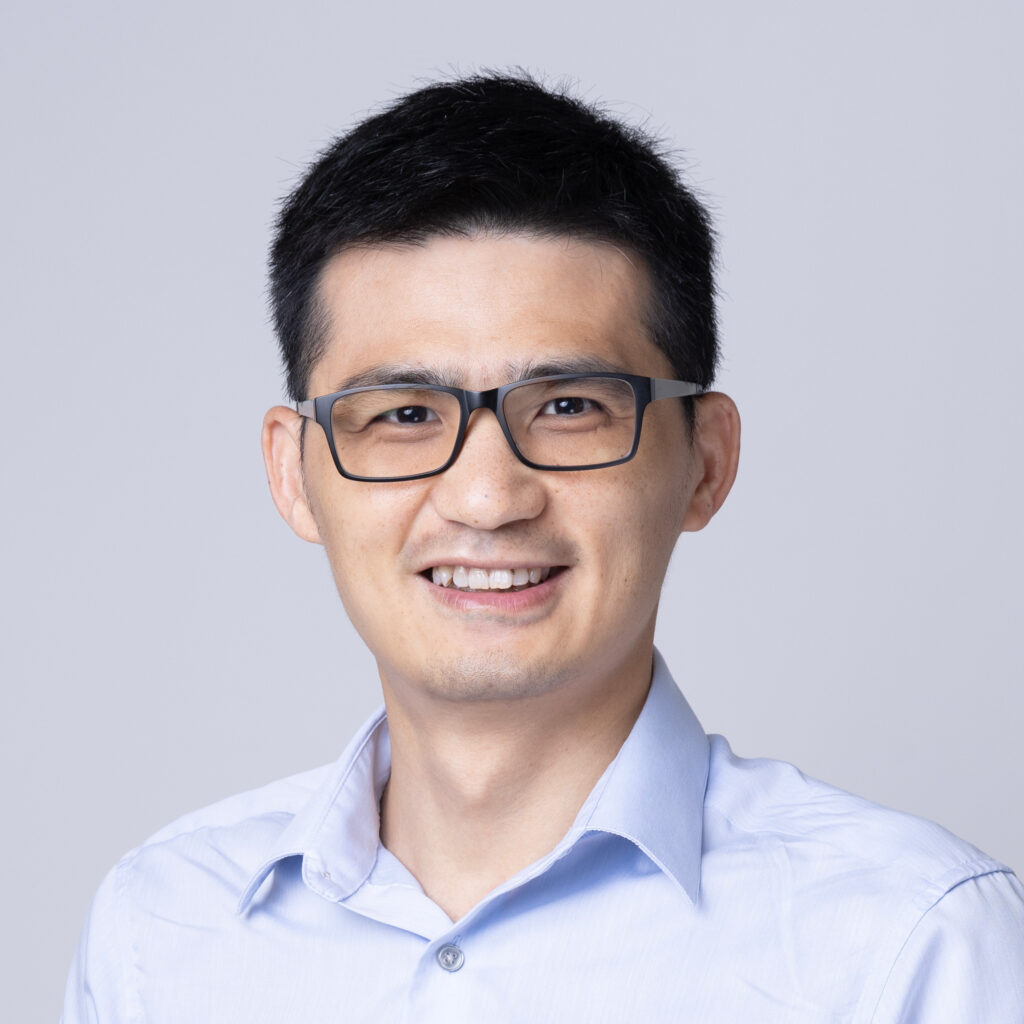
Prof Yingyu LIANG
Associate Professor, HKU IDS / CDS
Reflecting on the conference, Prof Yingyu LIANG noted that CPAL offered a distinctive setting for focused academic exchange:
“CPAL was especially meaningful because its scale encouraged genuine discussion across career stages and research areas, allowing senior and early-career scholars to engage closely on foundational questions in machine learning and AI.”
He also highlighted the value of IDS’ continued involvement:
“IDS’ continued support and participation were important in sustaining a high-quality forum for scholarly exchange, and we were very glad to be part of this year’s conversation.”
This setting gave participants space to revisit fundamental questions behind current AI development, from generalisation and optimisation to model efficiency, test-time learning, and the role of theory in guiding the next stage of machine learning research.
Revisiting the Foundations Behind Modern AI
For Jiahang CAO, 1st-year PhD student at IDS, the conference stood out because it placed theoretical clarity at the centre of discussion. He recalled the talks by Prof Yi MA and Prof Yingyu LIANG as particularly memorable:
“Professor MA shared some really grounding perspectives on the mathematical theories that actually drive AI intelligence. It was great to hear a push for more transparency and rigour in a field that is currently so dominated by black-box models. Adding to that, Professor LIANG spoke about compositional learning in AI systems, offering some fascinating ideas on how we can make these architectures more modular and logically sound.”
Jiahang also reflected on the value of CPAL’s concentrated format:
“The discussions felt less like formal presentations and more like a continuous, high-level conversation.”
His takeaway echoed the broader spirit of the conference: that progress in AI should not be measured by scale alone, but also by how well researchers understand the structures, assumptions, and principles behind learning systems.
“The conference demonstrated that the most significant breakthroughs often come from a commitment to parsimony and theoretical clarity. Whether discussing the benign nature of training instabilities or the mathematical structures of intelligence, the core message was clear: understanding the ‘why’ behind our models is just as crucial as their scale.”
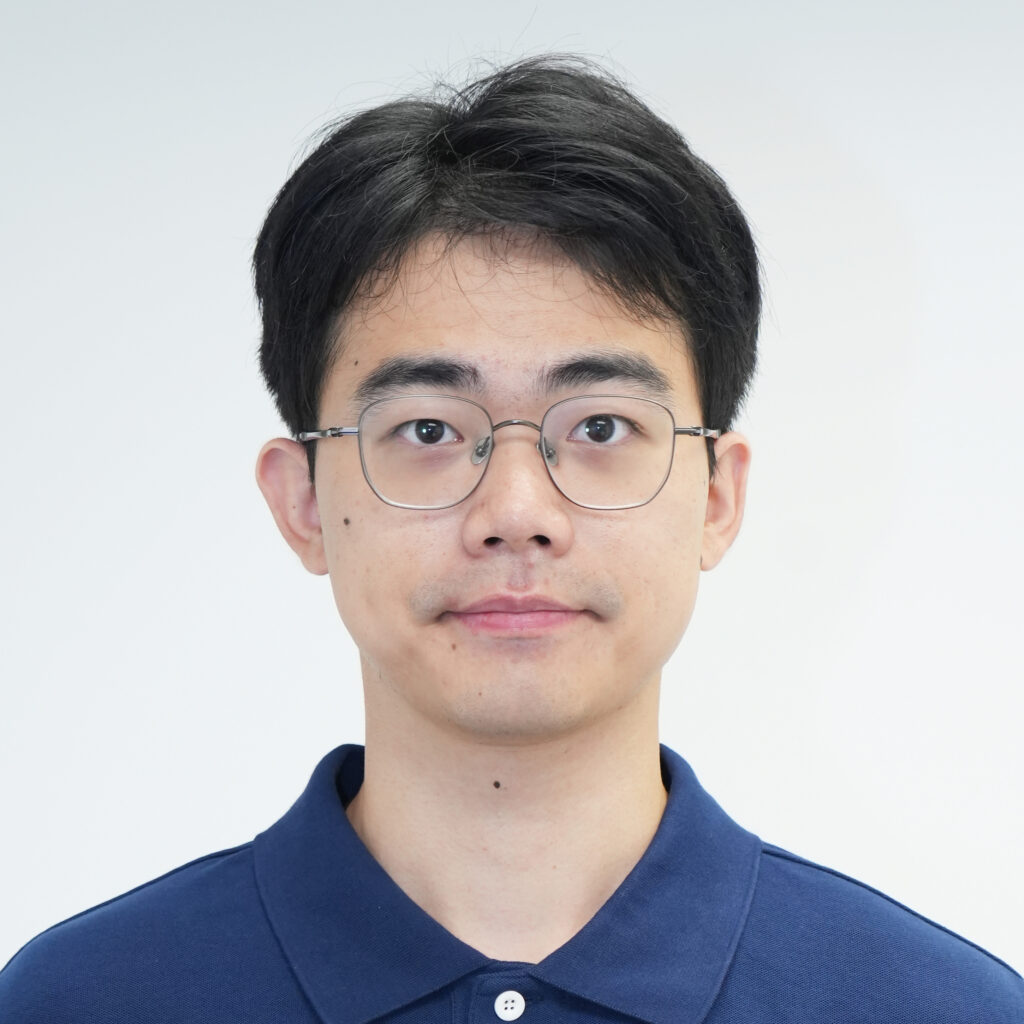
Mr Jiahang Cao
First-Year PhD Candidate, HKU IDS
Primary Supervisor:
Prof Andrew LUO
Assistant Professor, HKU IDS & PSYC
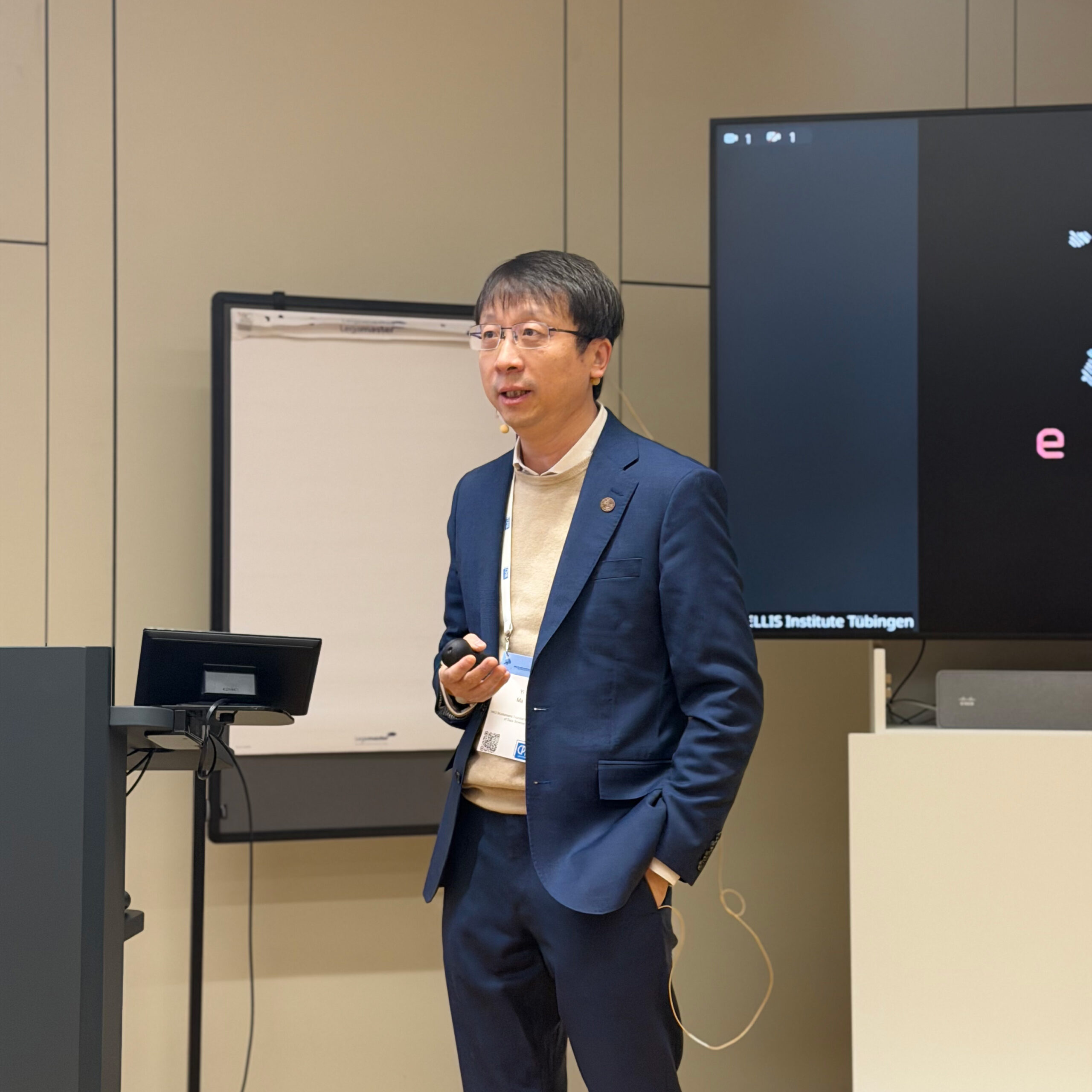
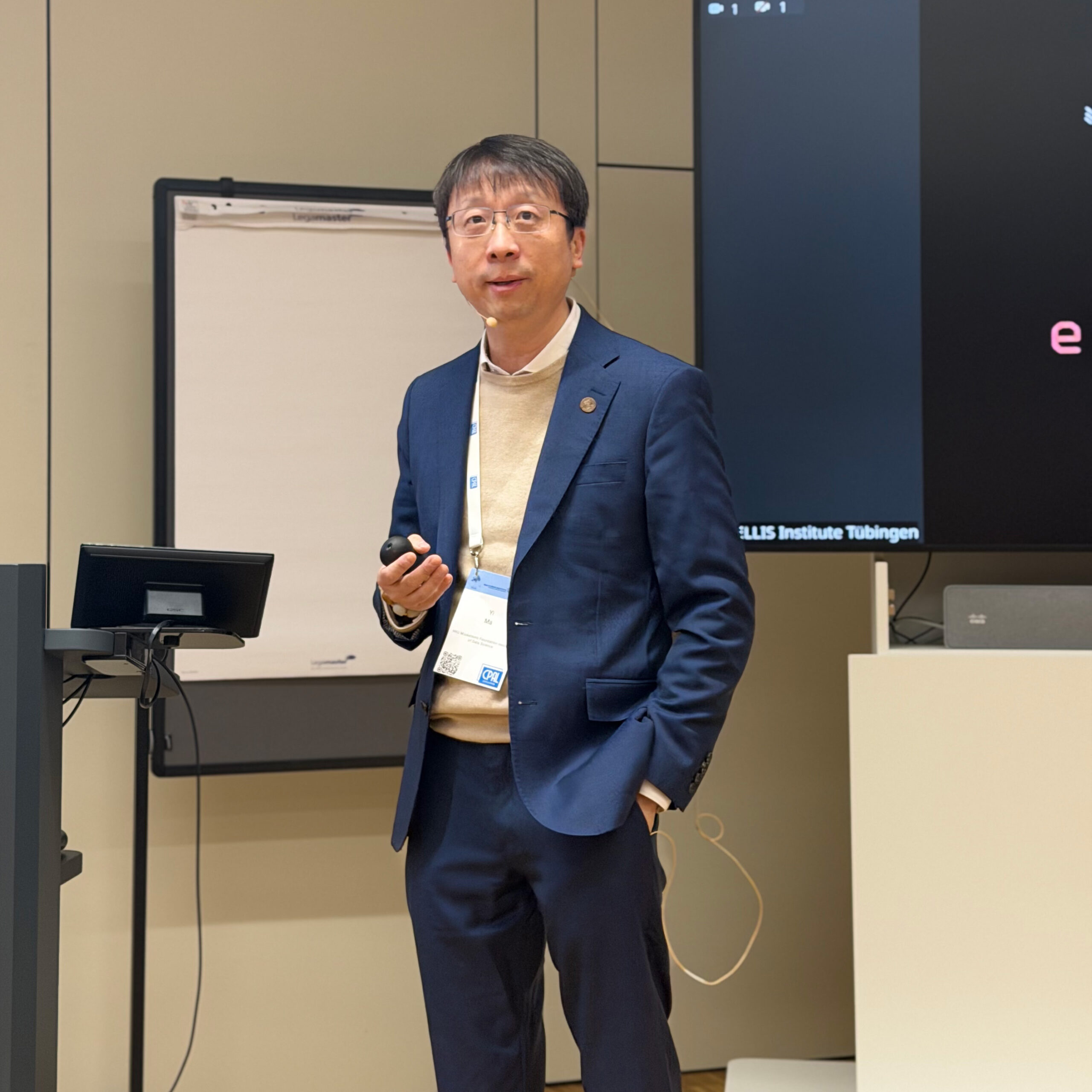
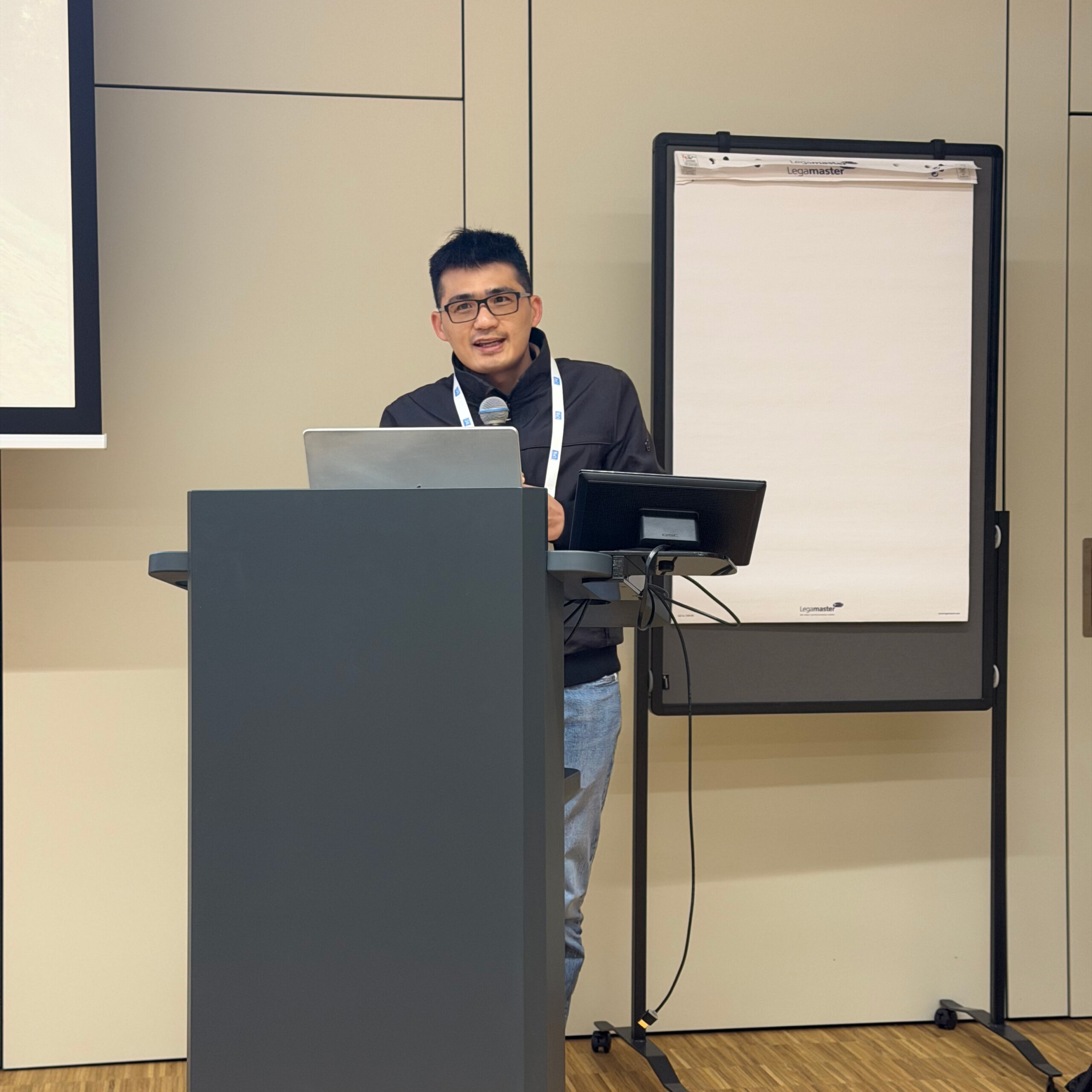
Through CPAL 2026, IDS scholars and students engaged in a focused international conversation on the foundations of AI. Their participation reflects IDS’ continued support for academic exchange that helps researchers and students look beyond immediate applications, and return to the theoretical questions shaping the future of machine learning.